Why More Families Are Choosing Invisalign Calabasas CA
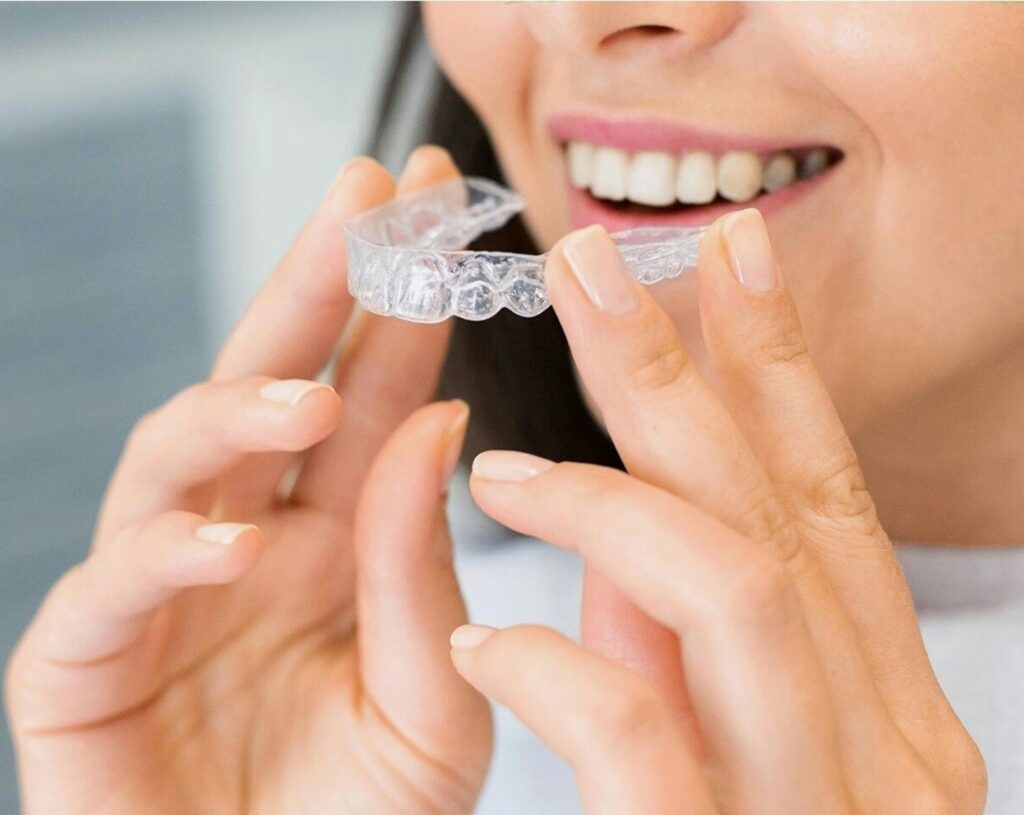
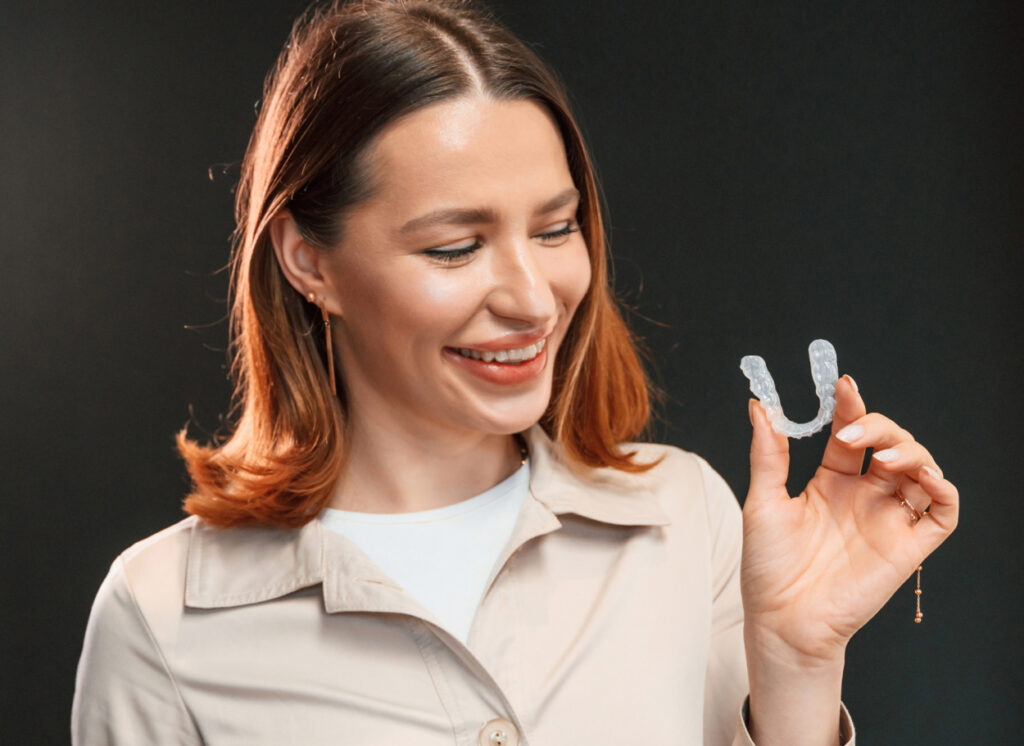

Families do not choose orthodontic treatment the way they choose a new phone or a weekend activity. They weigh it carefully. They think about comfort, timing, school photos, sports, work meetings, budgets, and whether their child, or they themselves, will actually follow through. In Calabasas, those conversations are increasingly ending in the same place: Invisalign.
That shift did not happen by accident. It reflects changing expectations around orthodontic care, but it also reflects the way families live now. Parents are balancing packed calendars. Teenagers are image-conscious and highly social. Adults are more willing than they once were to improve their own smiles, especially if treatment can fit around professional and personal commitments without drawing much attention. When people search for Invisalign Calabasas CA, they are usually looking for more than a straighter smile. They are looking for a treatment option that works in real life.
The appeal of Invisalign is easy to oversimplify. Clear aligners are discreet, yes, but that is only part of the story. What matters to many families is the combination of aesthetics, convenience, predictability, and control. Traditional braces still have an important place in orthodontics, and in some cases they remain the best tool for the job. But for a growing number of children, teens, and adults, clear aligner therapy lines up better with the demands of daily life.
The family factor matters more than ever
Orthodontic treatment affects more than the person wearing the appliance. It shapes the schedule of the entire household. Appointments must be booked, rides have to be arranged, dietary habits shift, and someone has to keep track of progress. That is one reason so many parents in Calabasas are drawn to a treatment option that tends to simplify the experience rather than complicate it.
Braces often bring a steady rhythm of adjustments, repairs, and occasional surprises. A loose bracket before school pictures, a broken wire before a tournament, irritation after tightening, these are familiar parts of treatment for many families. Invisalign tends to reduce some of that friction. Patients still need regular check-ins, and treatment only works when aligners are worn as directed, but the day-to-day experience is often more manageable.
That matters in a community where schedules are full. Students may be juggling advanced coursework, sports, dance, theater, tutoring, and social commitments. Parents may be splitting time between office work, remote work, commuting, and caregiving. A treatment plan that asks less of everyone can feel like a practical relief.
Appearance is not vanity, it is part of compliance
A lot of parents initially downplay the cosmetic side of orthodontics. Then they realize how much appearance affects motivation, especially for teens and preteens. A child who feels self-conscious about braces may smile less, resist photos, or become careless about oral hygiene. An adult who has put off treatment for years may finally move forward only because clear aligners feel less visible in daily interactions.
This is one of the strongest reasons Invisalign Calabasas CA continues to gain traction. In a place where people are often on camera, in meetings, at events, or simply aware of how they present themselves, a discreet option carries real value. That value is not superficial. It influences confidence, and confidence influences follow-through.
Orthodontists see this firsthand. Patients who are comfortable with how treatment looks are often more engaged in the process. They ask better questions, wear aligners more consistently, and stay focused on the result. For a teenager, that can mean the difference between an on-track plan and a treatment that drags out because trays are left on the nightstand too often.
The removable design changes everyday life
One of the biggest practical advantages of Invisalign is also one of the easiest to underestimate: the aligners come out. That sounds simple, but in practice it changes meals, dental hygiene, school events, travel, and family routines.
With fixed braces, certain foods become risky or off-limits. Crunchy snacks, sticky candy, hard bread crusts, popcorn, and chewing gum can all create problems. Most families adapt, but it does require vigilance. Invisalign removes much of that stress. Patients take out the trays to eat, brush, and floss, then put them back in afterward. There is still responsibility involved, but there is less mechanical restriction.
For many parents, oral hygiene is the decisive issue. Cleaning around brackets and wires takes more time and care. Plaque can build up in hard-to-reach spots. Teenagers, even responsible ones, are not always meticulous brushers. Clear aligners make it easier to maintain normal brushing and flossing habits, provided the patient is disciplined about keeping trays clean and returning them after meals.
That last point matters. Invisalign is not effortless. The system works when patients wear the aligners the prescribed number of hours each day, often around 20 to 22 hours. Families sometimes assume removable means easier in every respect. It is easier in some ways, but it also requires self-management. Orthodontists usually assess maturity and routine before recommending it, especially for younger patients.
Parents like seeing a plan that feels tangible
There is something reassuring about being able to visualize treatment. Many Invisalign cases involve digital scanning and treatment mapping that help patients see where their teeth are now and how they are expected to move over time. For families, that makes the process feel less abstract.
Parents often respond well to this because they are making a significant financial and time commitment. They want to understand what they are paying for, how long treatment may take, and what milestones to expect. Digital planning can help set those expectations clearly. It also tends to improve communication. Instead of relying only on verbal descriptions, the orthodontist can show how spacing, crowding, or bite issues may change throughout the course of treatment.
That kind of transparency matters, especially when both a parent and a teenager need to buy into the plan. A teen who sees the projected outcome may become more invested. A parent who understands the rationale for attachments, refinements, or wear time is more likely to support the routine at home.
Adults are no longer waiting until the kids are grown
One of the most noticeable changes in orthodontics over the last decade is how many adults are seeking treatment. Some had braces as children and experienced relapse. Others never had the opportunity when they were younger. Many simply reached a point where they wanted to address crowding, spacing, or bite concerns without the appearance of traditional braces.
In family practices, this often creates a ripple effect. A child comes in for an evaluation, then a parent asks a few questions about their own teeth, then both begin treatment around the same time. Invisalign makes that scenario more appealing because it fits adult life more comfortably. Adults can remove aligners for presentations, photos, special occasions, or meals out, then return to treatment without much disruption.
In Calabasas, where many professionals spend long hours in client-facing roles, entertainment, wellness, real estate, or business leadership, that flexibility carries obvious appeal. People want treatment that works quietly in the background. They do not want orthodontics to become the first thing others notice in a conversation.
Teenagers often accept Invisalign more readily than braces
Teen compliance is always a concern, and rightfully so. Parents know that enthusiasm at the consultation does not always translate into discipline six weeks later. Still, Invisalign has real advantages for many teens, particularly those who are involved in sports, music, and social activities.
Athletes appreciate not having brackets and wires that can irritate the inside of the mouth during contact or fast-paced activity. Musicians who play certain wind instruments may also find aligners easier to adapt to than fixed Invisalign Calabasas CA Oaks Dental braces. Students who participate in speech-heavy activities, from debate to theater, often adjust to clear aligners quickly after a short learning period.
There is also the social piece. Many teens simply prefer a treatment option that does not dominate their appearance. That preference should not be dismissed. Adolescence is a stage where self-consciousness can affect behavior in subtle but important ways. If a teenager feels more comfortable wearing aligners, that comfort can improve consistency and reduce resistance to treatment overall.
Of course, aligners are not ideal for every teen. Some lose things. Some forget to reinsert trays after lunch. Some are not ready for the responsibility. Good orthodontic providers address that honestly rather than pushing a one-size-fits-all option.
Families are more educated, and they ask better questions
Another reason demand has risen is that families arrive more informed than they once did. They know clear aligners exist. They understand that orthodontic treatment is not only cosmetic. They ask about bite function, long-term retention, comfort, enamel health, and treatment duration. They compare options thoughtfully.
That shift has raised the level of the conversation. Patients are less likely to choose treatment based on a single factor, such as visibility, and more likely to ask how the treatment integrates with their routine and goals. They want to know whether an overbite can be corrected effectively with aligners, whether attachments will be needed, how often refinements are necessary, and whether the child who loses every water bottle they own is really a good candidate for removable trays.
These are useful questions. They move the decision away from marketing and toward fit. A strong Invisalign provider will answer them candidly, including the trade-offs. Clear aligners can be excellent, but success depends on case selection, planning, and patient habits. Families appreciate honesty. In fact, trust often grows when an orthodontist explains when braces may still be the better choice.
Comfort and predictability play a major role
No orthodontic treatment is entirely free of discomfort. Teeth move by applying controlled force, and that process naturally causes some pressure. Still, many patients describe Invisalign as more comfortable than they expected. There are no tightening appointments in the classic sense, no protruding wires, and generally fewer sharp spots that rub against cheeks and lips.
That difference matters for younger patients who are anxious about treatment, and for adults who have delayed orthodontics because they imagine a long stretch of soreness and inconvenience. A few days of pressure when switching to a new tray set is normal, but for many people it feels manageable and predictable.
Predictability is another key point. The treatment process is structured around a series of aligners, each designed to move the teeth incrementally. When patients wear them as prescribed, that rhythm can feel organized and easy to follow. Families tend to do well with systems that are clear and measurable. They know when a tray change is due. They know what a missed day can cost. They can see progress over time.
The local practice experience shapes the decision
When people search for Invisalign Calabasas CA, they are not only choosing a product. They are choosing a provider, and that matters just as much as the aligner brand itself. The quality of diagnostics, the precision of treatment planning, the way a provider monitors progress, and the honesty of communication all affect the result.
Families often decide based on how a practice handles the consultation. Were their questions answered directly? Did the provider explain alternatives? Did they discuss retention clearly rather than treating it as an afterthought? Did the office feel organized and responsive? Those details matter because orthodontic treatment is a relationship over time, not a one-time purchase.
A well-run local practice can make the entire experience smoother. Scheduling is easier. Follow-up is more consistent. If a tray cracks, an attachment comes loose, or a teenager falls behind on wear time, the family knows where to turn. That level of support is especially important when more than one family member is in treatment at once.
Cost conversations have become more practical
For many families, cost is less about finding the cheapest option and more about understanding value. Orthodontic care is an investment, and families want clarity around what is included. They ask about retainers, refinements, payment plans, insurance coordination, and what happens if treatment extends longer than expected.
In some practices, Invisalign is priced similarly to braces. In others, there may be a difference depending on case complexity and the treatment design. The bigger point is that families are evaluating the full picture. If clear aligners reduce emergency visits, preserve appearance during important life stages, and improve the odds that a reluctant patient will actually complete treatment, many people see the added value.
There is also a practical emotional factor. Parents are often more comfortable paying for a treatment their child is likely to cooperate with. An orthodontic plan only works when the patient participates. If Invisalign leads to better buy-in, that matters financially as well as clinically.
When Invisalign may not be the best fit
The rise in popularity should not obscure an important truth: not every case is ideal for Invisalign, and not every patient is suited to a removable appliance. Severe bite discrepancies, certain tooth movements, poor compliance, or complex needs may make braces the wiser option. A good provider says that plainly.
It is also worth acknowledging that some families are drawn to Invisalign for the wrong reasons. They assume invisible means easy, or premium, or automatically better. Orthodontics does not work that way. The best treatment is the one that can achieve the desired result reliably and safely for that specific patient.
There are a few practical warning signs that deserve honest attention:
- The patient struggles with routines and frequently misplaces important items.
- Eating and snacking happen constantly throughout the day, making wear time difficult.
- The case involves movements that may be more efficient with fixed braces.
- Oral hygiene is poor enough that any orthodontic treatment needs to be approached cautiously.
- The patient wants a perfect result but resists instructions.
These are not deal-breakers in every situation, but they should be discussed openly. Families tend to appreciate that level of professional judgment. It signals that the provider is focused on outcomes, not sales.
Why the trend is likely to continue
The reasons families are choosing Invisalign are not fleeting. They are tied to larger shifts in how people approach healthcare and daily life. Patients want treatment that is effective, discreet, and adaptable. Parents want fewer avoidable disruptions. Adults want options that do not require them to put their lives on pause.
Technology has helped, certainly, but the deeper driver is alignment between treatment and lifestyle. Invisalign fits how many modern families actually function. It allows a teenager to keep smiling in photos without hesitation. It lets an adult pursue orthodontic care while staying fully engaged at work. It gives parents a treatment path that often feels cleaner, more predictable, and easier to manage.
That does not mean braces are disappearing. They remain a valuable and sometimes superior tool. But it does explain why more households are asking about clear aligners first, and why Invisalign Calabasas CA has become such a common search. Families are not merely following a trend. They are responding to a treatment model that respects their time, their routines, and the realities of everyday life.
What families should look for before starting
The smartest decisions usually come from looking past the sales pitch. Families do best when they choose a provider who evaluates the bite carefully, explains the likely timeline without overpromising, and talks frankly about the work required at home. Clear aligners can be remarkably effective, but they reward consistency and honest planning.
A strong consultation often includes a close review of crowding or spacing, jaw relationships, existing dental work, wear habits, and retention needs after active treatment ends. It should also cover the less glamorous but very real parts of the process, like cleaning trays, managing aligners during school lunches, and handling travel, sleepovers, sports weekends, or business trips.
When those conversations happen early, expectations become realistic. Realistic expectations are one of the quiet reasons treatment goes well. The family knows what success requires. The patient understands that “nearly invisible” does not mean “no effort.” And everyone involved can make a decision based on fit rather than hope.
That is often the deciding factor. Families are not simply choosing a more discreet orthodontic option. They are choosing a process they believe they can live with, stick with, and feel good about from start to finish. For many in Calabasas, Invisalign has become the answer because it meets that test.
Oaks Dental
5000 Parkway Calabasas, Suite 308
Calabasas, CA 91302
(818) 643-6521
FAQ About Invisalign Calabasas CA
How many hours a day should I wear Invisalign?
Clear aligners are typically worn for 20 to 22 hours a day. Follow your dentist’s instructions for your specific treatment plan.
What age is best for Invisalign?
Many teens and adults can use clear aligners. A dentist can assess dental development, oral health, and the type of tooth movement needed.
What affects the cost of Invisalign in California?
Cost depends on the complexity and length of treatment and what the quoted plan includes. Ask for an itemized estimate and check any orthodontic coverage with your insurer.