Signs You May Be a Good Candidate for Invisalign Calabasas CA
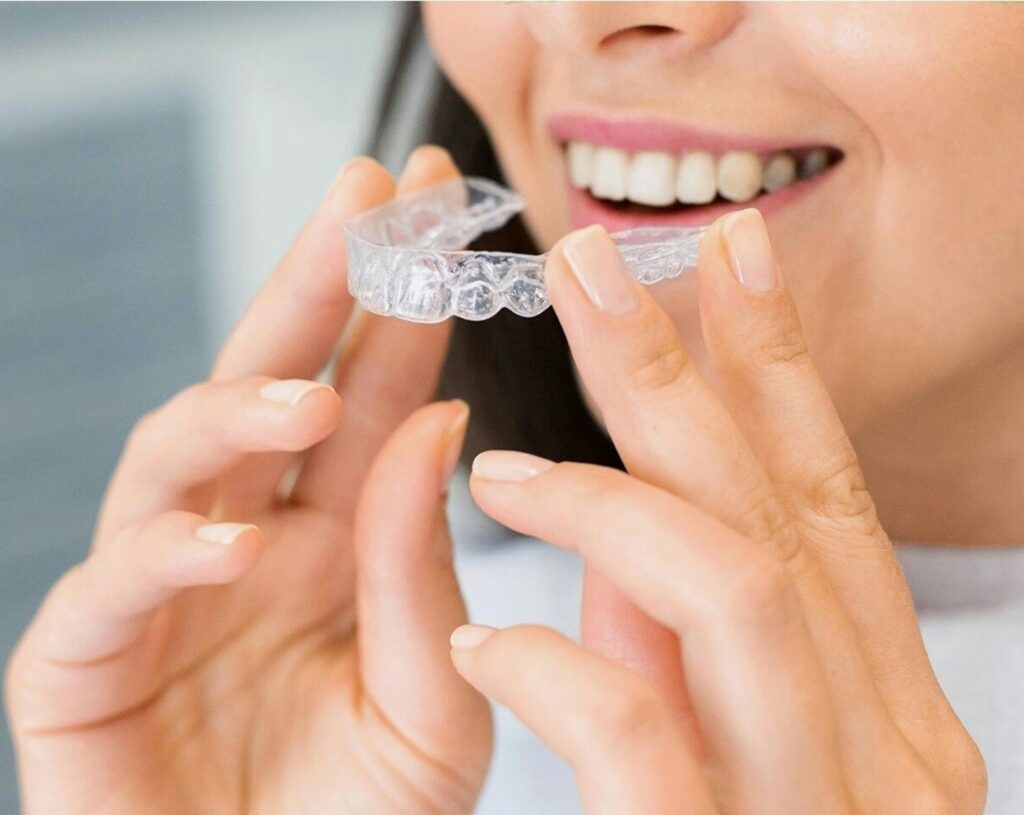
A lot of people assume Invisalign is mainly about appearance. They like the idea of straightening their teeth without brackets and wires, and that is often what starts the conversation. But candidacy is not really about whether you prefer clear aligners over braces. It comes down to a more practical question: will this treatment move your teeth predictably, safely, and within a reasonable timeline?
That distinction matters. Two patients can want the exact same outcome and have very different starting points. One may be an excellent fit for Invisalign, while the other may be better served by traditional braces or a more involved treatment plan. In a place like Calabasas, where many adults want subtle orthodontic treatment that fits around work, social commitments, and family life, Invisalign is a popular option. It is popular for good reason, but it is not automatic.
If you have been researching Invisalign Calabasas CA, the best way to think about it is not, “Do I like the idea of clear aligners?” Most people do. The better question is, “Do my teeth, bite, habits, and goals line up with what Invisalign does best?” There are several signs that often point toward a strong match.
You want straighter teeth, but your case is not extremely complex
One of the clearest signs you may be a good Invisalign candidate is that your alignment issues are mild to moderate rather than severe. That includes problems like slight crowding, small gaps, minor rotations, or teeth that have shifted after past orthodontic treatment. These are the kinds of concerns aligners handle well when the treatment plan is carefully designed and the patient wears them consistently.
This comes up often with adults who had braces as teenagers. They got a nice result years ago, stopped wearing a retainer, and slowly watched a lower front tooth twist or the upper teeth drift. In many of those cases, Invisalign can be a very efficient fix. The teeth have moved, but not so dramatically that a full round of conventional braces is the only answer.
That said, “mild” and “moderate” are not always easy for a patient to judge. Some spacing problems look small in the mirror but reflect a deeper bite issue. Some crowded cases look worse than they are, while others look simple until X rays and scans show that certain teeth need more controlled movement. This is one reason online smile simulations should be taken lightly. They can spark interest, but they cannot replace a clinical exam.
If you have a significant overbite, underbite, crossbite, impacted teeth, or major jaw discrepancy, you may still be able to use Invisalign, but the decision requires more caution. Some complex cases respond beautifully to aligners in experienced hands. Others do better with braces because the biomechanics are more favorable. Good candidacy is not about marketing claims. It is about whether your specific tooth movements are realistic.
Your gums and teeth are generally healthy
Orthodontic treatment works best in a healthy mouth. If you have active gum disease, untreated cavities, failing dental work, or chronic inflammation, those issues usually need attention before tooth movement begins. This is true for braces and Invisalign alike, but it matters even more with removable aligners because people sometimes assume they are less medically significant than traditional orthodontics. They are not.
Teeth move through bone and surrounding tissue. If that tissue is already compromised, the risk of problems goes up. Swollen gums can make aligners fit poorly. Undiagnosed decay can worsen while trays are being worn daily. Existing periodontal issues can limit how safely teeth can be moved.
Patients are often surprised to hear that being a “good candidate” has as much to do with gum health as with crooked teeth. A person with modest crowding and excellent oral hygiene may be a stronger Invisalign candidate than someone with straighter teeth but ongoing periodontal concerns.
There is a practical side to this too. Invisalign requires removing the trays before eating, brushing before putting them back in, and keeping the aligners clean. If you already take good care of your teeth, that routine usually feels manageable. If brushing and flossing are inconsistent now, Invisalign tends to expose that quickly.
You can commit to wearing aligners as directed
This is where many otherwise eligible patients either become ideal candidates or poor ones. Invisalign only works when it is worn enough. Most treatment plans require around 20 to 22 hours of wear per day. That means the aligners should be out only for meals, drinks other than water, and oral hygiene.
Some people hear that and immediately know they can handle it. Others like the flexibility in theory but struggle in practice. Removable treatment sounds convenient until life gets busy. A late coffee, a long lunch, a social dinner, skipped brushing after a snack, all of that adds up. If trays spend too much time out of the mouth, the teeth stop tracking as planned, and treatment can stall.
A very common example is the patient who works in meetings all day and sips coffee over several hours each morning. Another is the person who snacks frequently, making it hard to keep the aligners in for long uninterrupted stretches. Those habits do not automatically rule Invisalign out, but they do deserve an honest look before treatment begins.
Good candidates usually share a few traits:
- They can follow a routine without needing constant reminders.
- They are comfortable removing and reinserting aligners in public when necessary.
- They do not mind planning meals and drinks a bit more intentionally.
- They understand that “almost enough” wear time often leads to slower results.
- They are willing to wear retainers after treatment, not just the aligners during treatment.
That last point matters more than many people expect. Teeth do not stay put simply because treatment ended. Retention is part of the process. Patients who already know they dislike removable appliances of any kind may struggle with Invisalign now and retainers later.
You care about a discreet look during treatment
For many adults and older teens, the cosmetic appeal of Invisalign is not superficial. It is practical. They speak for work, attend client meetings, spend time on camera, or simply do not want metal braces to be the first thing people notice. In those situations, the clear tray design can be a real advantage.
That does not mean Invisalign is invisible. Attachments, which are small tooth colored shapes bonded to certain teeth, are often needed to help the aligners grip and move teeth properly. Some patients also need elastics. Up close, aligners can be noticeable, especially if they are not kept clean. But compared with fixed metal appliances, they are usually much less obvious.
This is one reason interest in Invisalign Calabasas CA tends to be strong among working professionals, parents returning to treatment, and people preparing for milestones such as weddings, media appearances, or major career transitions. They want orthodontic treatment that does its job without dominating their appearance for the next year or two.
Still, appearance alone should not drive the decision. If braces would produce a better result for your particular bite, choosing aligners only because they are less visible can backfire. The most reliable treatment is the one that suits both your case and your lifestyle.
Your schedule makes removable treatment appealing
There is a certain type of patient who thrives with Invisalign because it blends well into daily life. These are often people with full calendars who appreciate fewer office visits and less emergency maintenance. A broken bracket or poking wire can require an unscheduled braces appointment. Invisalign trays can have issues too, but the treatment tends to be more predictable from a day to day comfort standpoint.
Parents often like that teenagers can still play instruments or sports without as much adjustment. Adults like being able to remove aligners briefly for important events. Travelers appreciate carrying the next set of trays rather than worrying about orthodontic repairs far from home.
The flip side is that flexibility creates responsibility. If you want something you cannot remove, because you know that will keep treatment on track, braces may actually fit your personality better. I have seen patients choose Invisalign for convenience, then realize they would rather not think about it so much. There is no shame in that. Self awareness is a useful part of treatment planning.
Your bite issue falls within the range aligners handle well
A good Invisalign candidate often has concerns such as relapse after braces, moderate crowding, spacing, or minor bite discrepancies that can be corrected with staged aligner movements. Many of these cases respond very well, especially when digital planning is paired with realistic expectations and careful monitoring.
What makes someone less ideal is not always the amount of crookedness. Sometimes it is the type of movement required. Certain tooth rotations, vertical changes, root positioning challenges, or large bite corrections can be less predictable with aligners alone. That does not mean impossible. It means more nuanced. An experienced provider may use attachments, elastics, enamel shaping, or refinements to improve control. In some cases, the better clinical answer is braces or a hybrid approach.
This is where consultation quality matters. A thoughtful provider should explain not just whether Invisalign is possible, but whether it is the best tool for your goals. “Possible” is a low bar. Many patients benefit from hearing the tradeoffs clearly. For example, aligners may offer a cleaner look and easier hygiene, while braces may provide better leverage for more difficult movements. Good treatment planning respects both the esthetic and mechanical sides of the decision.
You have realistic expectations about comfort and timing
Invisalign is often marketed as simple, smooth, and nearly effortless. That oversells it. The trays are usually more comfortable Invisalign Calabasas CA than braces for many patients, especially because there are no brackets rubbing the cheeks, but aligners still apply pressure. New trays can make teeth feel tender Invisalign Calabasas CA for a day or two. Attachments can feel strange at first. Speech may change slightly during the adjustment period. Dry mouth happens. So does impatience.
A strong candidate is someone who can tolerate those normal inconveniences without losing momentum. Orthodontic treatment is a process. Some people expect dramatic visible change in a matter of weeks, then feel discouraged when the movement is subtle early on. Others assume the trays will be loose and effortless from the start, then worry when initial tightness shows up. In reality, that snug fit is often part of how the system works.
Timing varies. A limited correction may take months. A broader case can take a year or more, especially if refinements are needed. Refinements are additional aligners prescribed after the initial series to improve detail and finish. They are common, and they do not automatically mean something went wrong. Teeth are biological structures, not machine parts. They do not all move on the same schedule.
If you can accept that treatment may involve adjustments and that perfection is not the same thing as a healthy, attractive, stable result, you are more likely to do well with Invisalign.
You are past the age where compliance is a daily battle, or you have a teen who is genuinely motivated
Adults often make excellent Invisalign patients because they understand why consistency matters. They are paying for treatment, they have specific goals, and they tend to be more disciplined about routines. Teenagers can also be good candidates, but motivation becomes a bigger variable.
A teen who wants straighter teeth and takes ownership of the process may do extremely well. A teen who loses things constantly, forgets to brush, and leaves aligners wrapped in napkins at restaurants may not. There is no universal rule here. Some 14 year olds are more reliable than some 34 year olds. The question is not age alone. It is follow through.
Parents sometimes ask whether Invisalign is safer for sports or easier for school photos and events. It can be, but compliance still decides the outcome. If the trays stay out too long every day, the advantage disappears quickly.
Your daily habits support clean, consistent wear
This sign is easy to overlook, but it matters. Patients who do best with Invisalign usually have routines that make aligner care sustainable. They can brush after meals most of the time. They are willing to carry a case instead of stuffing trays into a pocket or napkin. They do not drink sugary or staining beverages constantly throughout the day while wearing aligners. They are comfortable cleaning the trays so they stay clear and fresh.
This is not about perfection. Everyone has busy days. It is about whether your normal lifestyle leaves enough room for responsible wear. A person who eats three meals a day and drinks mostly water may find Invisalign very easy to manage. Someone who grazes all day, drinks multiple coffees slowly over hours, and dislikes any interruption to that routine may find aligners irritating, even if their teeth are a great technical fit.
The good news is that habits can change. I have seen patients shift from constant snacking to more structured meals simply because orthodontic treatment gave them a reason. Some even find that it helps reduce mindless eating. But that kind of adjustment only works when the patient is willing.
Signs that braces may be the better option
Sometimes the best sign you are not an ideal Invisalign candidate is how you respond to the practical realities of treatment. If you already know removable appliances tend to end up in a drawer, that is worth respecting. If your case requires major bite correction or especially demanding tooth movements, braces may offer more control. If you have significant dental disease that has not been stabilized, orthodontics of any kind may need to wait.
A few situations often call for a more careful discussion:
- You have severe crowding or a jaw relationship that may need more than aligners alone.
- You are not confident you will wear trays 20 to 22 hours a day.
- You frequently snack or sip drinks all day and do not want to change that pattern.
- You have untreated gum disease, cavities, or other active oral health issues.
- You want the fastest route for a highly complex case, and fixed braces may offer better mechanics.
None of these points should be read as a hard rejection. They are signals that a deeper conversation is needed. Some patients start with restorative or periodontal treatment, then move into Invisalign later. Others compare both options and choose braces because the tradeoff makes more sense for their goals.
Why a local consultation matters more than online quizzes
Online quizzes tend to frame candidacy as a yes or no issue. Real orthodontic planning is rarely that simple. A local evaluation allows a provider to check your bite from multiple angles, assess bone support, look for wear patterns, identify hidden dental concerns, and discuss your habits honestly. That full picture is what determines whether Invisalign makes sense.
For patients specifically searching for Invisalign Calabasas CA, it is worth looking for a practice that spends time on diagnosis rather than rushing to a sales pitch. You want a clinician who explains what the aligners can do, where refinements might be likely, whether attachments are needed, and what alternatives exist if your case is borderline. The conversation should feel specific to your mouth, not rehearsed.
Digital scans are helpful here. They can show crowding, spacing, and arch relationships more clearly than photos alone. X rays may reveal roots, bone levels, missing teeth, or old dental work that changes the plan. Those details are the difference between treatment that merely looks appealing and treatment that is actually appropriate.
The strongest candidates usually recognize themselves in the details
When someone is a strong fit for Invisalign, the signs tend to cluster. Their teeth need correction that aligners handle well. Their gums are healthy. Their expectations are grounded. Their schedule and habits support consistent wear. They value the discreet appearance enough to follow through on the discipline it requires. They understand that treatment does not end when the last tray comes off.
That combination matters more than any single factor. A person can have a very aligner friendly case on paper, but poor compliance can undermine it. Another person can have slightly more challenging tooth movement, yet do beautifully because they are consistent and well informed. Orthodontics always lives at the intersection of biology, mechanics, and behavior.
If you have been considering Invisalign and wondering whether it suits you, the answer may be less mysterious than it seems. If your concerns are moderate, your oral health is solid, and you know you can commit to the routine, there is a good chance you may be a strong candidate. The next step is not guessing harder. It is getting a careful evaluation from a provider who will tell you what makes sense, what does not, and why.
Oaks Dental
5000 Parkway Calabasas, Suite 308
Calabasas, CA 91302
(818) 643-6521
FAQ About Invisalign Calabasas CA
How many hours a day should I wear Invisalign?
Clear aligners are typically worn for 20 to 22 hours a day. Follow your dentist’s instructions for your specific treatment plan.
What age is best for Invisalign?
Many teens and adults can use clear aligners. A dentist can assess dental development, oral health, and the type of tooth movement needed.
What affects the cost of Invisalign in California?
Cost depends on the complexity and length of treatment and what the quoted plan includes. Ask for an itemized estimate and check any orthodontic coverage with your insurer.