Invisalign Calabasas CA and the Science of Clear Aligners
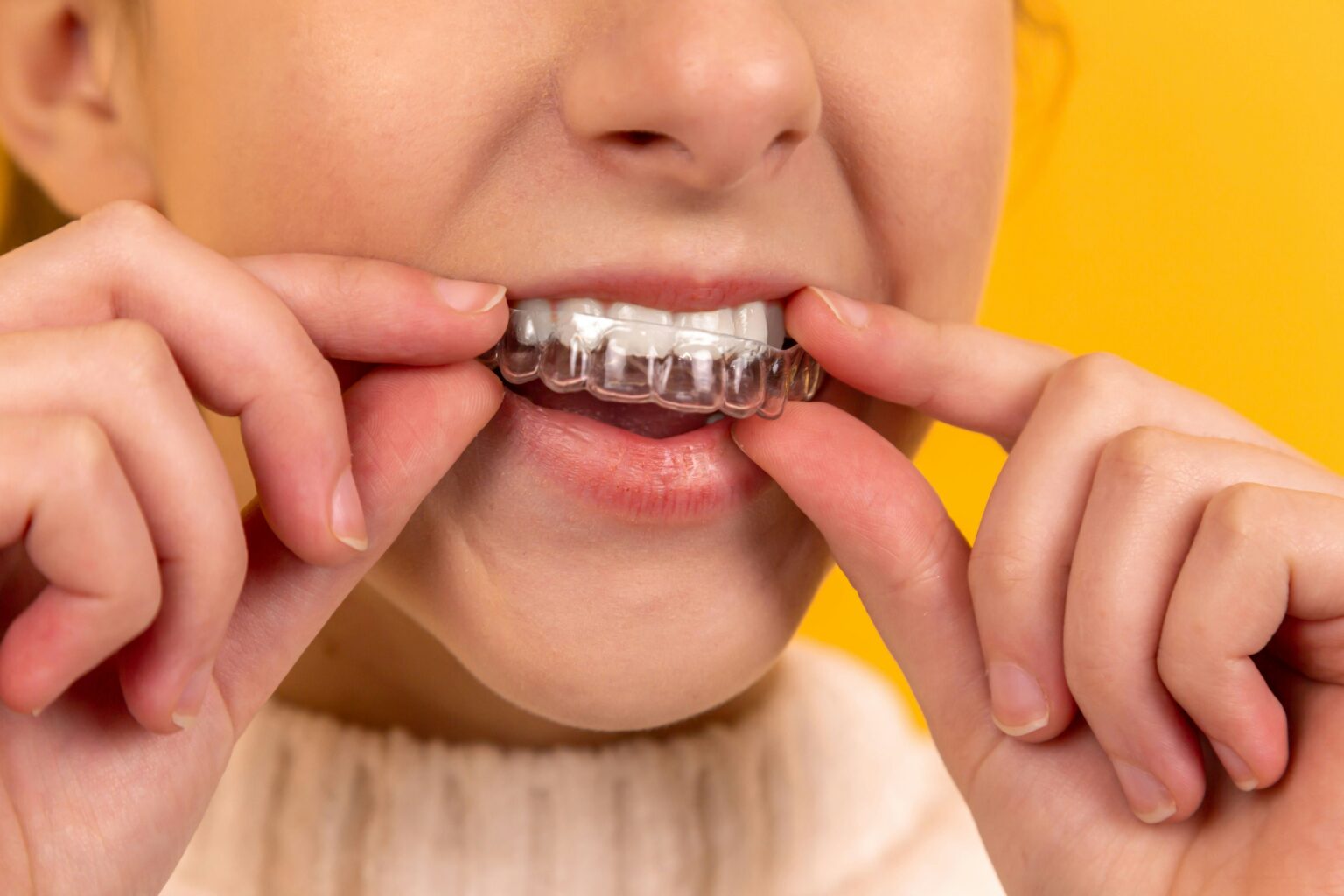
Clear aligner treatment has moved from novelty to mainstream orthodontic care, but the popularity of Invisalign has also created confusion. Patients hear that trays are “almost invisible,” “more comfortable than braces,” and “backed by digital technology,” yet many still do not understand the basic science that makes teeth move in the first place. That gap matters. Good outcomes depend on biology, physics, planning, and patient behavior, not just on receiving a set of plastic trays.
For people researching Invisalign Calabasas CA, the local question often starts with convenience and aesthetics. Can I straighten my teeth without the look of metal braces? Can I fit treatment into work meetings, social events, or school? Those are reasonable concerns, especially in a community where appearance and schedule both carry weight. Still, the better question is whether clear aligners are the right tool for your particular bite, bone support, habits, and long-term goals.
The science behind clear aligners is more interesting, and more nuanced, than most marketing suggests. Teeth do not “snap” into place because a tray is slightly tighter. They move because controlled force triggers a biological response in the periodontal ligament and surrounding bone. The aligner is only the delivery system. The real work happens in living tissue, gradually, and with more variables than most people expect.
Teeth move because bone remodels
Every tooth sits in bone and is connected by a thin structure called the periodontal ligament. When gentle, sustained pressure is applied to a tooth, one side of that ligament compresses while the other side stretches. Cells respond by breaking down bone in one area and building it back in another. That remodeling process creates room for the tooth to shift. It is the same principle that powers braces, although the way force is delivered differs.
This is why orthodontic movement is measured in millimeters and fractions of millimeters, not dramatic daily changes. It is also why rushing treatment can backfire. If force is too aggressive, or if movements are poorly staged, the tooth may not track as planned. In more serious cases, excessive force can increase the risk of root resorption, gum recession, or unstable results. The goal is not speed at any cost. The goal is efficient movement that respects biology.
With clear aligners, each tray is manufactured to fit a slightly different tooth position than the one before it. As the patient wears the tray, the plastic attempts to return to its programmed shape and delivers force to the teeth. That force decays over time, which is one reason consistent wear matters. If aligners stay out too long, the process stalls and the next tray may no longer fit properly.
Why Invisalign works well for some movements and needs help with others
The idea of a removable tray seems simple, but tooth movement is not a single motion. A tooth can tip, rotate, intrude, extrude, translate bodily, or torque at the root. Some of these movements are easier to control with aligners than others.
Minor crowding, spacing, and certain bite corrections often respond very well to clear aligners. Controlled tipping can be quite predictable when the treatment plan is realistic and the patient wears trays as directed. Rotations of rounded teeth, such as canines or premolars, can be trickier. Extrusion, which means pulling a tooth slightly out of the bone, can also be less predictable. Root torque, where the crown appears aligned but the root needs fine control, often requires careful attachment design and refinements.
That is where treatment planning separates average cases from excellent ones. An experienced clinician does not look only at how the front teeth will appear in photos. They study the way upper and lower teeth meet, the path of jaw function, the amount of available bone, the health of the gums, and the likely compliance of the patient. They may decide that aligners alone are ideal, or that limited use of auxiliaries, elastics, attachments, or even brief brace treatment would produce a safer or more stable result.
A common patient misunderstanding is that the computer simulation is a guarantee. It is not. Digital treatment software is a planning tool, not a crystal ball. The software can model intended movement, but the body still has the final vote. Saliva, chewing forces, attachment wear, skipped wear time, nighttime clenching, and individual differences in bone metabolism all affect the real-world result.
The role of attachments, pressure points, and biomechanics
Many people imagine Invisalign as a series of plain, smooth trays. In straightforward cases, that may be close to reality. In more involved cases, small tooth-colored attachments are bonded to certain teeth to help the trays grip and guide movement. These attachments act like handles or ramps. Their shape, position, and size can make a measurable difference in how effectively a force is expressed.
That detail matters because aligners are removable and flexible. A bracket and wire system has a fixed mechanical relationship to the tooth around the clock. An aligner, by contrast, depends on intimate fit and active wear time. If the tray does not fully seat, or if the programmed movement asks too much from the plastic, the tooth may lag behind. Small design choices can improve that tracking.
Pressure points are another subtle feature. Earlier generations of aligner systems often relied on broader pushing surfaces. Modern systems use more refined contact patterns to direct force with greater precision. Even then, biomechanics still applies. A force has direction, magnitude, and point of application. If those factors are not balanced, the crown may move while the root does something less desirable. Patients rarely see that complexity, but it is the reason follow-up visits remain essential even in a highly digital workflow.
Why wear time is not a suggestion
The number most patients hear is 20 to 22 hours per day. Some hear 22 hours and treat it like ideal behavior rather than a clinical requirement. In practice, the difference between excellent wear and casual wear often determines whether the treatment stays on track.
An aligner cannot move teeth while sitting in a napkin at lunch, in a retainer case on a desk, or wrapped in a tissue that gets thrown away. If a patient wears trays only at night and for part of the day, the teeth may repeatedly rebound toward their previous position during the hours the tray is out. That creates a cycle of movement and relapse rather than steady progress. The result is soreness, poor fit, delayed treatment, and extra refinement trays.
One of the most useful conversations in an orthodontic consultation has nothing to do with software or aesthetics. It is the plain question of lifestyle. A person who snacks all day, drinks coffee slowly over hours, or frequently forgets removable appliances may not be an ideal aligner patient. A teenager who plays sports and wants to avoid braces may do beautifully with aligners, but only if parental support and personal maturity are there. A busy executive can also succeed, but habit matters more than enthusiasm.
The patients who do best usually build a rhythm. They remove trays for meals, brush before reinserting, keep the case with them, and switch to the next set only when instructed. It sounds simple because it is simple. The discipline is the hard part.
What a digital scan can reveal, and what it cannot
One of the biggest advances in aligner therapy has been the replacement of messy impressions Invisalign Calabasas CA with digital intraoral scanning. A good scan captures tooth anatomy with impressive detail and allows the clinician to build a three-dimensional model for planning. Patients appreciate seeing their own teeth on screen, and that visual can make treatment goals easier to understand.
Digital scans also reduce manufacturing variability. Trays are fabricated based on highly specific data, and fit tends to be more consistent than in the early days of aligners. The technology is genuinely useful, especially when paired with photographs, radiographs, and a thorough clinical exam.
Still, a scan of teeth is not the same thing as a complete orthodontic diagnosis. It does not reveal root position in bone by itself. It does not replace an assessment of airway habits, muscle function, clenching patterns, periodontal status, or joint symptoms. It cannot tell you whether a patient with apparently straight front teeth has hidden posterior bite problems. That is why any treatment model that reduces orthodontics to “just scanning for trays” should raise concern.
For patients considering Invisalign Calabasas CA, this is especially relevant. The area offers access to highly polished dental services, but polished presentation is not the same as comprehensive care. A modern office with a scanner and a screen animation can still fall short if the diagnostic process is superficial.
Cases that often respond well to clear aligners
Clear aligners shine when the case selection is smart. They are often excellent for mild to moderate crowding, minor spacing, relapse after previous orthodontic treatment, and cosmetic alignment of the front teeth when the bite is otherwise favorable. Adults with restorative goals also benefit. A dentist or orthodontist may use aligners to upright tipped teeth, open space for implants, or improve tooth positioning before veneers or bonding.
Patients with a history of braces who stopped wearing retainers are a classic example. Their alignment may have drifted over several years, but the underlying bite is often more manageable than in someone starting from a severe untreated malocclusion. In those cases, clear aligners can be efficient and discreet.
Adults also like that trays can be removed for professional appearances, important events, and oral hygiene. Invisalign Calabasas CA Someone with crowns, implant restorations, or gum recession often appreciates being able to floss thoroughly rather than working around fixed brackets and wires. That said, restorations bring their own planning challenges. Crowns bond differently than enamel, implants do not move, and gum architecture may limit what is realistic.
When aligners may not be the best answer
Not every case belongs in trays, and good clinicians say that plainly. Severe skeletal discrepancies, major vertical problems, complex crossbites, impacted teeth, significant rotations, or cases requiring substantial root control may be better treated with braces or with a hybrid approach. Some patients need jaw surgery in combination with orthodontics. Others need periodontal treatment first because moving teeth in an unhealthy gum environment can lead to damage.
There are also behavioral limitations. A patient with active eating disorders, severe dry mouth, poor hygiene, or very inconsistent habits may not tolerate removable appliances well. Heavy smokers and frequent consumers of staining drinks sometimes learn that “clear” aligners do not stay clear if they are worn while sipping pigmented beverages. Night grinders may crack trays or wear them down prematurely.
A responsible consultation includes those trade-offs. The best answer is not always the most marketable one.
The attachment between orthodontics and gum health
Orthodontic results look better and last longer when the gums are healthy. This point gets too little attention. Crowded teeth are harder to clean, so straightening can improve access for brushing and flossing. At the same time, any orthodontic treatment can worsen inflammation if hygiene slips. Aligners help here because they are removable, but only if the patient uses that advantage.
Plaque under an aligner becomes a problem quickly. Trays trap saliva and any residual sugars against the teeth. A patient who routinely reinserts aligners after coffee with sweetener, sports drinks, or snacks creates a high-cavity environment. The same is true for chronic mouth breathing or dry mouth, which can reduce the natural protective effect of saliva.
Clinicians also watch for recession and thin gum tissue. If a tooth is pushed outside the bony housing, the cosmetic alignment may improve while the periodontal risk rises. That is why X-rays and a careful evaluation of tissue thickness matter. The prettiest simulation on screen is not worth much if it ignores biological limits.
Refinements are normal, not a sign of failure
Many patients are surprised to learn that the first set of trays is often not the last. Refinement means taking a new scan or new impressions after the initial series and producing additional trays to correct details that did not finish perfectly. This is common, even in well-run cases.
Refinements happen because biology varies, because some teeth track better than others, and because real life interferes. A few days of reduced wear can throw off a difficult rotation. An attachment can break. A tray may not seat fully around one tooth. None of that means the treatment failed. It means the clinician is adapting to reality rather than pretending the original plan was perfect.
From the patient side, refinements require patience. The cosmetic change may look dramatic by the midpoint, but bite settling and fine alignment often take longer than expected. That is one reason it helps to discuss goals honestly at the beginning. Some people want a modest improvement and are happy once the smile looks cleaner. Others want a highly polished finish with detailed bite optimization. Both goals are valid, but they are not the same treatment.
What to ask at a consultation
A thoughtful consultation should leave you more informed, not just more persuaded. If you are exploring Invisalign Calabasas CA, a few questions can clarify whether the plan is built around your needs or around a sales script.
- Am I a strong candidate for clear aligners, or would braces or a hybrid approach likely work better?
- What specific tooth movements in my case are straightforward, and which are less predictable?
- How long is the estimated treatment, and how often do refinements occur in similar cases?
- Who will monitor my progress and make clinical decisions during treatment?
- What is the retention plan after active treatment ends?
Those questions do more than gather facts. They reveal how the provider thinks. A careful answer usually includes caveats, not just promises.
Retention is where many smiles are lost
Orthodontic treatment does not end when the last tray is removed. Teeth retain memory through the surrounding fibers and respond to lifelong forces from chewing, lips, tongue posture, grinding, and aging changes in the bite. Without retention, relapse is common.
Most patients receive clear retainers that resemble aligners but are designed to maintain position rather than create active movement. Some also benefit from bonded fixed retainers behind the front teeth, especially when lower incisor crowding was significant. The retention plan depends on the original problem, the stability of the result, and the patient’s habits.
A point worth emphasizing is that “wear your retainer for a few months” is rarely enough. In many cases, nighttime wear long term is the realistic standard. Patients sometimes resist that because they hoped treatment would eventually require no maintenance. Biology does not work that way. The reward for a well-finished case is not freedom from retainers. It is a stable, healthy result that can be preserved with sensible follow-through.
The local factor in Calabasas
Orthodontic treatment is deeply personal, but the local setting shapes expectations. In Calabasas, many patients are looking for subtle treatment that fits professional, social, and family life. They may also have a strong aesthetic eye and a low tolerance for visible appliances. That makes clear aligners an appealing option, but it can also tempt people to judge providers by convenience, branding, or before-and-after galleries alone.
The stronger approach is to look for a practice that combines digital fluency with conservative clinical judgment. That means a thorough exam, a candid discussion of limits, and a willingness to say when Invisalign is ideal and when it is not. It also means planning around the realities of local life, including work travel, school schedules, sports, performance commitments, and the simple question of whether the patient can truly wear trays enough hours each day.
The best Invisalign Calabasas CA experiences usually share one trait: they are individualized. The aligners are the product, but customization comes from diagnosis, sequencing, monitoring, and communication. A generic plan can produce generic results. A careful plan, adjusted as the teeth actually respond, is far more likely to deliver the smile patients have in mind.
Clear aligners are modern, but the principles are old
The appeal of Invisalign often centers on innovation, and some of that praise is deserved. Digital models, improved materials, and more refined biomechanics have made clear aligners a serious orthodontic tool. Yet the core principles remain rooted in established science. Controlled force moves teeth. Bone remodels. Soft tissue health matters. Stability requires retention. Human behavior influences every stage.
That perspective cuts through the hype. Clear aligners are not magic, and they are not merely cosmetic. They are a sophisticated method for applying orthodontic force in a removable, discreet form. When used in the right case, by a clinician who understands both the software and the biology, they can produce excellent results with a level of convenience that traditional braces often cannot match.
Patients benefit most when they understand that partnership. The trays matter. The treatment plan matters more. The science matters most of all.
Oaks Dental
5000 Parkway Calabasas, Suite 308
Calabasas, CA 91302
(818) 643-6521
FAQ About Invisalign Calabasas CA
How many hours a day should I wear Invisalign?
Clear aligners are typically worn for 20 to 22 hours a day. Follow your dentist’s instructions for your specific treatment plan.
What age is best for Invisalign?
Many teens and adults can use clear aligners. A dentist can assess dental development, oral health, and the type of tooth movement needed.
What affects the cost of Invisalign in California?
Cost depends on the complexity and length of treatment and what the quoted plan includes. Ask for an itemized estimate and check any orthodontic coverage with your insurer.